




Table of Contents
Table of Contents
Amazon sellers sourcing from China usually reach a point where “just ship it to Amazon” stops being enough. Inventory limits, FBA receiving delays, seasonal congestion, product inspections, labeling mistakes, split shipments, returns, and cash tied up in stock all start to matter.
That is where Amazon seller fulfillment from China comes in. Instead of sending every carton directly from a factory to an Amazon fulfillment center, sellers use a China-based logistics partner to receive goods, inspect, store, prep, and ship inventory either to Amazon FBA, directly to customers, or to other sales channels.
For a brand like SendFromChina, this sits in the practical middle: close to Chinese suppliers, connected to international shipping routes, and built for ecommerce order handling.
What Amazon Seller Fulfillment from China Means
Amazon seller fulfillment from China is the process of managing Amazon inventory and orders from a China-based logistics hub. It can support several models:
Sending bulk inventory from China to Amazon FBA warehouses
Shipping FBM orders directly from China to Amazon customers
Holding buffer stock in China before replenishing FBA
Fulfilling Amazon, Shopify, eBay, Walmart, and Kickstarter orders from one inventory pool
Preparing products with FNSKU labels, bundles, inserts, packaging, and carton labels before export
Amazon’s own seller resources describe FBM as a model where the seller is responsible for storage, shipping, and customer service, while FBA puts those tasks inside Amazon’s network. A China 3PL (third-party logistics) gives sellers a third option: keep operational control while outsourcing the physical work.
Who It’s For

This model works best for sellers who source products from China and want tighter control before goods enter Amazon’s system.
It is especially useful for:
Amazon sellers buying from Chinese factories
Private-label brands needing product inspection before shipping
Sellers with slow-moving or seasonal inventory
Brands that sell on Amazon and other channels
Sellers that need kitting, bundling, relabeling, or custom packaging
Businesses that want to reduce FBA storage exposure
Sellers testing new SKUs before sending large quantities to Amazon
Crowdfunding brands shipping rewards from China
Sellers dealing with Amazon inventory placement or receiving delays
For example, a seller launching a new kitchen accessory may not want to send 5,000 units directly to FBA before checking packaging, barcode placement, and defect rates. A China fulfillment center can receive the goods, inspect samples, label units, hold part of the stock, and ship only the first replenishment batch to Amazon.
That sounds slower on paper. In practice, it often prevents expensive mistakes.
Who It’s Not For
China-based Amazon fulfillment is not the right answer for every seller.
It may not fit if:
Your products are already manufactured near your end market
You sell fragile, regulated, or oversized goods that need special handling
Your customers expect one-day or two-day domestic delivery
Your margins cannot absorb international parcel or freight costs
You only sell a few units per month and can manage fulfillment yourself
Your products require complex local returns processing
You rely entirely on Prime conversion and do not want FBM listings
There is also a customer-experience issue. Direct shipping from China can be efficient, but buyers on Amazon are trained to expect fast delivery, clean tracking, and simple returns. For fast-moving competitive SKUs, FBA or domestic 3PL storage is usually stronger. For controlled launches, replacement parts, long-tail SKUs, bundles, and international markets, China fulfillment can be more flexible.
Typical Lead Time
Lead time depends on the fulfillment path. Sellers often underestimate this because they only count transit time, not factory handoff, receiving, inspection, prep, customs, and last-mile delivery.
A realistic China-to-Amazon or China-to-customer plan should include:
| Fulfillment Path | Typical Lead Time |
| China warehouse receiving and check-in | 1-3 business days |
| Inspection, labeling, kitting, or prep | 1-5 business days |
| Express parcel from China to customer | 3-8 business days |
| Air freight to Amazon or overseas warehouse | 5-12 business days |
| Ocean freight to Amazon or overseas warehouse | 25-45+ days |
| FBA receiving after delivery | A few days to several weeks, depending on season and warehouse status |
Recent freight guides place China-to-USA express around 2-7 days, air freight around 3-10 days, and ocean freight commonly around 20-45 days door to door, though real timing depends on route, customs, carrier capacity, and peak-season congestion.
The main lesson: do not plan replenishment from the carrier schedule alone. Plan from “factory finished” to “available for sale.” That is the number that affects stockouts.
Cost Structure
Amazon seller fulfillment from China usually has a layered cost structure. The cheapest quote is rarely the cheapest final shipment if it leaves out receiving, prep, customs, fuel, remote-area fees, or returns.
Typical cost components include:
Inbound receiving from factory to China warehouse
Storage by cubic meter, pallet, bin, or SKU
Inspection or quality control
FNSKU labeling and carton labeling
Polybagging, bubble wrap, inserts, bundling, or kitting
Pick and pack fee per order
Packaging materials
International freight or parcel shipping
Export declaration
Import customs clearance
Duties and taxes
Return handling
System integration or API usage, if customized
For FBA replenishment, the cost is usually bulk freight plus prep. For FBM direct fulfillment, the cost is usually per-order pick and pack plus international parcel delivery.
A simple example:
A seller has 1,000 lightweight phone accessories in Shenzhen. Sending all units to FBA by air may be fast, but it creates FBA storage exposure and ties all stock to Amazon. Holding 700 units in China and sending 300 to FBA may cost a little more operationally, but it gives the seller room to test demand, serve other channels, and avoid sending dead inventory into Amazon’s warehouse.
That tradeoff matters more as SKU count grows.
Customs Clearance Responsibility
Customs is where many new sellers get surprised.
For imports into the United States, U.S. Customs and Border Protection states that the importer of record is ultimately responsible for correct entry documentation and compliance, even when a broker is used. That includes classification, valuation, duties, taxes, and other agency requirements.
In plain English: a freight forwarder or 3PL can help arrange customs clearance, but the seller must understand who is importer of record and who is responsible for duties.
Common arrangements include:
DDP shipping: The logistics provider quotes delivery with duties and import charges included. This is convenient, but sellers should still confirm product category, declared value, and compliance.
DAP/DDU shipping: The seller or buyer may need to pay duties and taxes before release or delivery.
Formal import with broker: Often used for larger shipments, higher values, or regulated products.
Amazon Global Logistics or similar programs: Amazon notes that some cross-border services can include origin service, ocean freight, customs clearance, and ground transportation.
Do not treat customs as paperwork afterthought. Wrong HS codes, undervaluation, missing product certifications, or unclear importer responsibility can lead to delays, penalties, seizure, or Amazon stockouts.
Last-Mile Delivery Method
Last-mile delivery depends on whether the order is going to Amazon FBA, an overseas warehouse, or a final customer.
For Amazon FBA replenishment, last-mile usually means:
Truck delivery to an Amazon fulfillment center
Small parcel delivery to Amazon
LTL or FTL delivery for larger shipments
Amazon-partnered or third-party carrier appointments
For direct FBM orders from China, last-mile may involve:
Postal networks
Commercial express carriers
Dedicated ecommerce lines
Local delivery partners after customs clearance
Tracking handoff from international carrier to domestic carrier
The seller should care about three things: scan quality, delivery speed, and customer-facing tracking. Amazon buyers do not want vague tracking that stalls for a week. A route that is cheap but has poor tracking can create A-to-z claims, negative feedback, and customer service pressure.
Amazon’s FBM guidance also notes that sellers using Buy Shipping and meeting handling and communication requirements may qualify for certain protections. That makes carrier selection and scan timing more than an operations detail; it affects account health.
Platform and API Integration
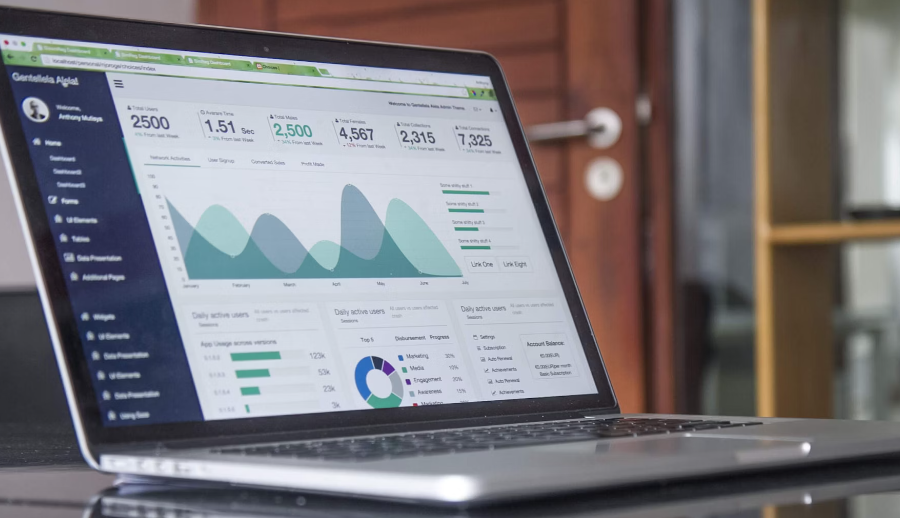
Manual fulfillment works for a few orders. It breaks as soon as order volume rises or channels multiply.
A serious China fulfillment setup should connect with:
Amazon Seller Central
Shopify
eBay
Walmart
WooCommerce
Kickstarter or crowdfunding tools
ERP or inventory software
Shipping and tracking systems
Amazon’s Selling Partner API is designed to let sellers access data such as orders, shipments, reports, and finances programmatically. Amazon’s Fulfillment Outbound API supports Multi-Channel Fulfillment orders using inventory in Amazon’s network. Amazon Shipping API also supports rates, labels, shipment creation, cancellation, and tracking for eligible sellers and channels.
For a China 3PL, integration should usually cover:
Order import
Inventory sync
SKU mapping
Shipping method rules
Tracking upload
Exception alerts
Return status
FBA prep workflow
Warehouse receiving records
SendFromChina’s own service pages describe integrations with ecommerce platforms such as Amazon, eBay, Shopify, and Kickstarter, along with China-based storage, automated order processing, pick and pack, and door-to-door shipping to many countries and regions.
The practical goal is simple: orders should flow in, tracking should flow out, and inventory should stay accurate enough that sellers are not overselling.
FBA, FBM, MCF, and China 3PL: How They Fit Together
Many sellers talk about FBA and FBM as if they must choose one. In reality, mature sellers often use a mix.
FBA is strong for Prime eligibility, fast domestic delivery, and Amazon-handled customer service. It is often best for proven, high-velocity SKUs.
FBM gives more control. It can work for oversized products, slow-moving SKUs, personalized items, test launches, and backup fulfillment when FBA stock runs out.
MCF, or Multi-Channel Fulfillment, lets sellers use Amazon inventory to fulfill non-Amazon orders. Amazon says sellers can operate from a shared pool of inventory across channels when using MCF with FBA.
China 3PL fulfillment sits before or alongside these options. It can feed FBA, support FBM, fulfill non-Amazon channels, and hold inventory near the factory.
A balanced setup might look like this:
60% of best-selling inventory in FBA
25% held in a China warehouse for replenishment
10% reserved for Shopify or wholesale orders
5% kept for replacements, samples, and warranty shipments
That structure is more flexible than sending everything into one warehouse network.
Relevant Case Studies
Case Study 1: Private-Label Seller Reduces FBA Risk
A private-label seller sourcing beauty tools from Guangdong was sending all production directly to FBA. The problem was not freight cost. The problem was defects found after Amazon received the goods. Once inventory entered FBA, fixing packaging problems became slow and expensive.
The seller moved receiving to a China 3PL. The warehouse checked cartons, applied FNSKU labels, inspected random samples, and shipped only approved cartons to FBA.
Result: fewer stranded units, cleaner inbound shipments, and less cash trapped in unsellable stock.
Case Study 2: Seasonal Seller Avoids Overstock
A holiday decor brand needed inventory ready for Q4 but did not want to overload FBA months early. Storage fees and demand uncertainty made that risky.
The seller kept part of the production run in China, shipped an early batch by ocean, and used air freight only for fast replenishment once sales data was clearer.
Result: better cash control and fewer leftover units after the season.
Case Study 3: Multi-Channel Brand Uses One China Inventory Pool
A gadget brand sold through Amazon, Shopify, and TikTok Shop. Before using a China fulfillment partner, it kept separate stock for each channel and often ran out in one place while overstocking another.
By storing inventory in China and integrating orders into one fulfillment system, the brand could route Amazon replenishment separately while fulfilling direct-to-consumer orders from the same stock pool.
Result: fewer stock splits, faster launch into new markets, and simpler SKU control.
Case Study 4: New Seller Tests Demand Before FBA
A new seller had 2,000 units ready but no real sales history. Sending all inventory to FBA felt efficient, but the product page was unproven.
The seller shipped 300 units to Amazon, kept 1,700 in China, and used the China warehouse for small test shipments and influencer samples.
Result: the seller avoided overcommitting to FBA before knowing conversion rate, return rate, and ad performance.
How to Choose a China Fulfillment Partner for Amazon

A good partner should do more than quote freight.
Look for:
Experience with Amazon FBA prep rules
Clear receiving and storage processes
Barcode and labeling accuracy
SKU-level inventory visibility
Export and import documentation support
Multiple shipping options, not one fixed route
API or platform integrations
Transparent fee structure
Photo evidence for receiving, inspection, and exceptions
Ability to handle both bulk FBA replenishment and single-order fulfillment
Ask direct questions. How long does receiving take? How are damaged cartons reported? Can they split stock between FBA and FBM? Can they handle Amazon carton labels? What happens when tracking fails? Who is responsible for customs issues? What is excluded from the quote?
The answers will tell you more than the homepage.
Common Mistakes to Avoid
The first mistake is sending inventory to Amazon before checking it in China. Factory mistakes are easier to fix before export.
The second is choosing shipping only by price. Cheap routes with weak tracking can hurt seller metrics.
The third is ignoring customs responsibility. Sellers should know the importer of record, HS code, declared value, duty exposure, and product compliance requirements.
The fourth is treating FBA as the only warehouse. FBA is powerful, but it is not always the best place to store every unit.
The fifth is failing to plan returns. For low-cost products, returning items to China may not make sense. Sellers need a refund, replacement, local return, or disposal policy before orders start shipping.
Where SendFromChina Fits
SendFromChina is positioned for sellers who source in China and need ecommerce fulfillment close to production. Its services include China warehousing, pick and pack, order fulfillment, platform integration, and door-to-door shipping. For Amazon sellers, that can mean FBA prep, FBM direct fulfillment, replenishment support, or multi-channel logistics from a single stock pool.
The strongest use case is not replacing Amazon entirely. It is building a more controlled supply chain before goods enter Amazon, and keeping enough flexibility to sell beyond Amazon when needed.
Short Conclusion
Amazon seller fulfillment from China is not a shortcut. It is a control system.
For the right seller, it can reduce FBA risk, improve inventory flexibility, support multi-channel growth, and catch problems before they become expensive. For the wrong seller, especially one that needs ultra-fast local delivery on every order, it may add unnecessary complexity.
The best setup is usually hybrid: use FBA where speed and Prime conversion matter most, use China-based fulfillment where control, prep, replenishment, and channel flexibility matter more.
FAQs
Can I fulfill Amazon orders directly from China?
Yes. This is usually FBM. You must meet Amazon’s delivery, tracking, customer service, and return expectations.
Is FBA better than China fulfillment?
Not always. FBA is better for fast Prime delivery. China fulfillment is better for prep, storage control, testing, and multi-channel flexibility.
Who handles customs clearance?
It depends on the shipping terms. A 3PL or broker can arrange clearance, but the importer of record is responsible for correct import information.
How long does shipping from China to Amazon take?
Air freight often takes about 5-12 business days door to door. Ocean freight can take 25-45+ days. FBA receiving time is extra.
Does SendFromChina integrate with Amazon?
Yes. SendFromChina supports ecommerce fulfillment integrations including Amazon, along with platforms such as eBay, Shopify, and Kickstarter.
 Want to know about our services, fees or receive a custom quote?