




Table of Contents
Table of Contents
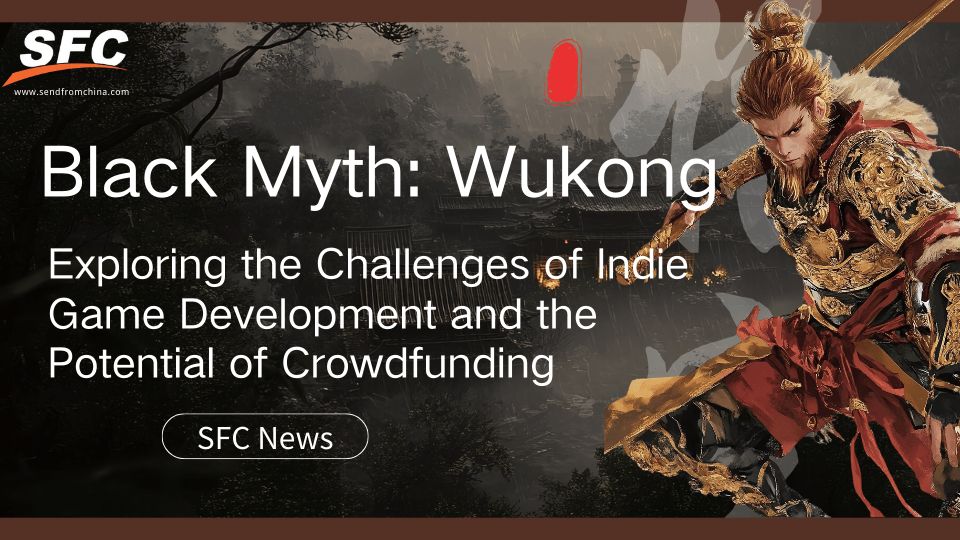
Black Myth: Wukong isn’t just another action RPG; it’s a bold statement from indie developers Game Science Studio. Set in the fantastical world of Chinese mythology, the game blends jaw-dropping visuals, fast-paced combat, and deep storytelling. But behind this epic masterpiece lies a story of grit, challenges, and the unwavering determination of a small team trying to make their mark on the global gaming stage.
As an action role-playing game deeply rooted in Chinese mythology, Black Myth: Wukong quickly went viral across major social media platforms upon its debut. After its official release on August 20, the game sold over 10 million copies globally within just three days.
For indie developers, creativity often comes more easily than funding. Independent creators frequently struggle to secure financial backing and marketing resources for their projects. However, with the rise of crowdfunding, indie developers now have a viable path to showcase their talent and gain direct support from users who believe in their vision.
To date, Kickstarter’s gaming category has seen over 46,000 successful campaigns, raising more than $2.61 billion. Among these, tabletop games stand out as a dominant segment, offering several notable examples.
 Founder: Brian Fargo
Product: Video Games
Funds Raised: $8.6 million across three campaigns
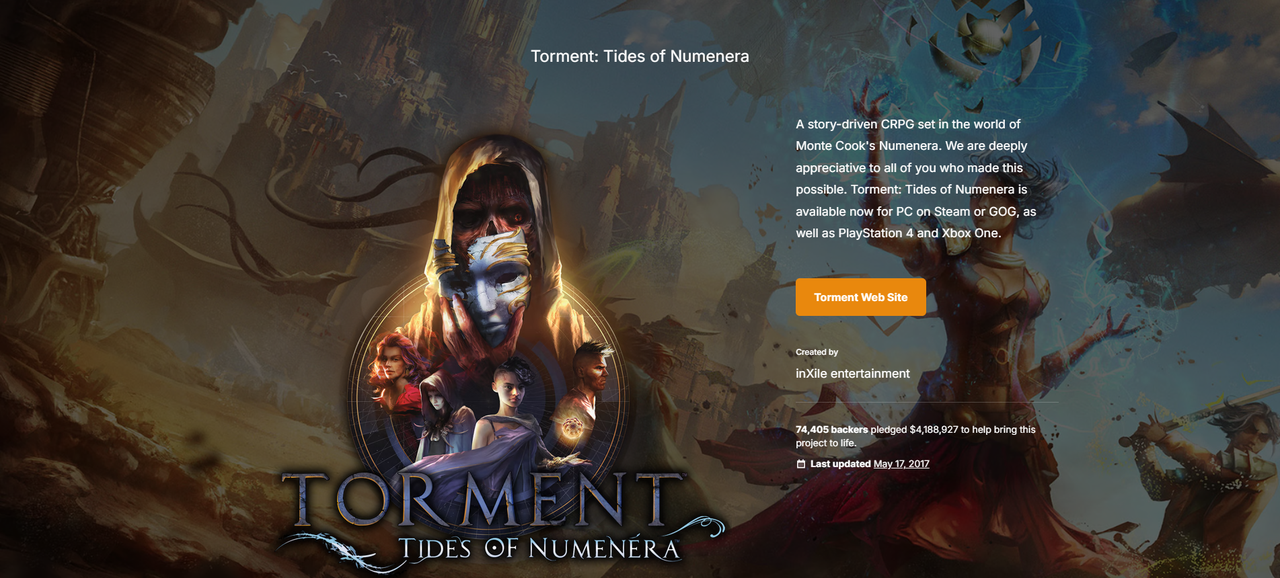
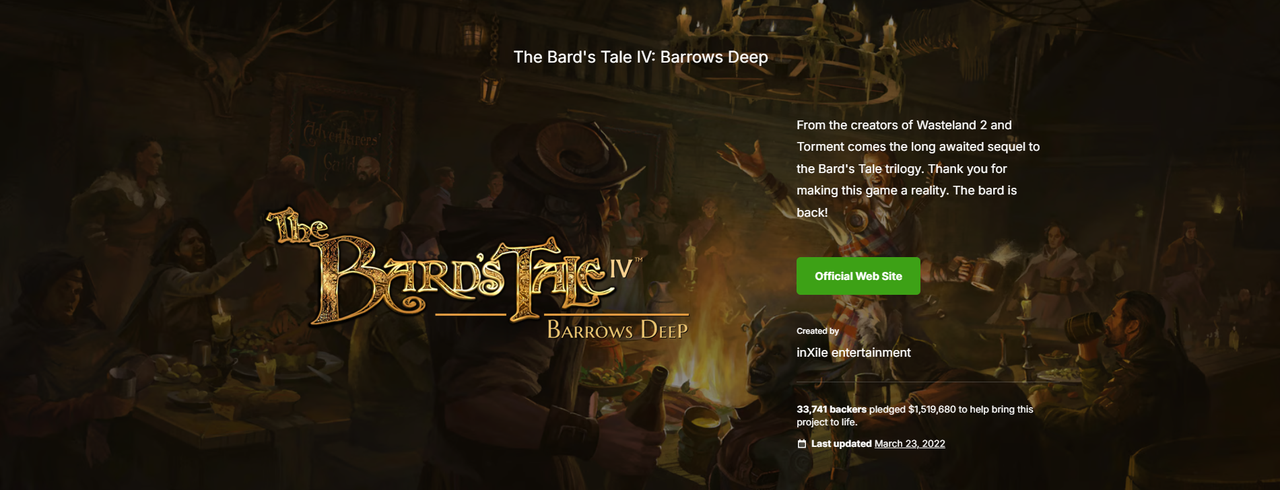
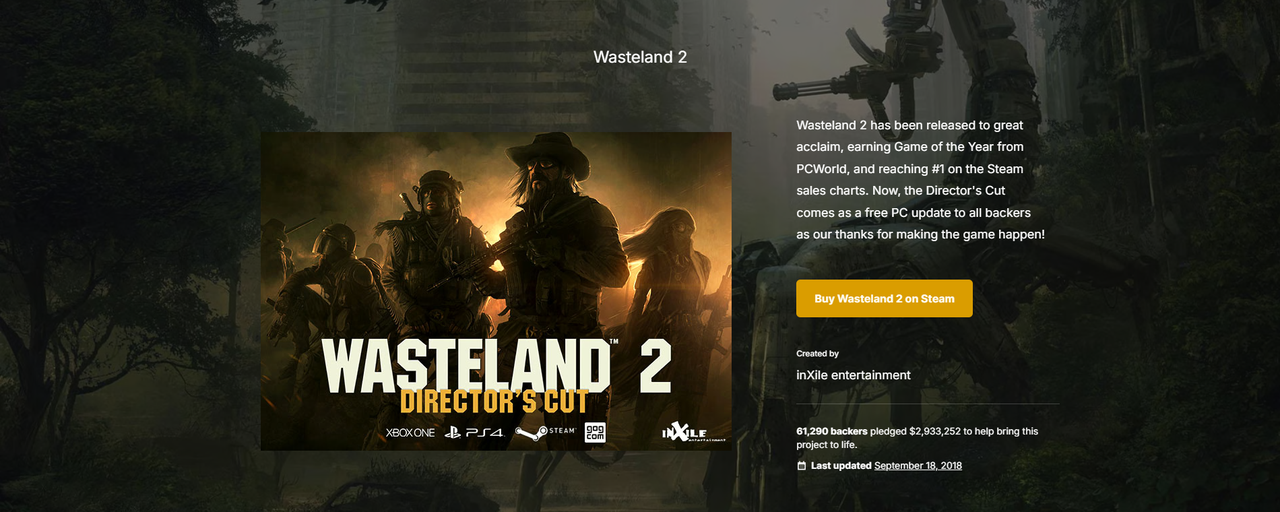
inXile was founded in 2002 by video game designer and Interplay Productions founder Brian Fargo, specializing in role-playing video games. Over the years, it has become a leader in using Kickstarter to fund the development of these games, including Torment: Tides of Numenera, Wasteland 2, and Bard’s Tale 4.
The cost of making video games is high, and inXile’s first Kickstarter campaign was “a Hail Mary pass,” Fargo recalled. “My crowdfunding goal was $900,000, and people thought I was crazy for asking for that much. But I really had no choice—it would cost at least that much to produce.”
Thanks to crowdfunding, inXile, headquartered in Newport Beach, California, is now a 50-person company with a second office in New Orleans. However, inXile’s campaigns were not just about raising money. Video game backers are very vocal online, providing feedback that allowed inXile to address shortcomings before shipping the games.
“Our games offer 100 hours of content, longer than all the Star Wars movies combined,” Fargo said. “We appreciate their feedback in finding issues, as there’s a lot to uncover.”
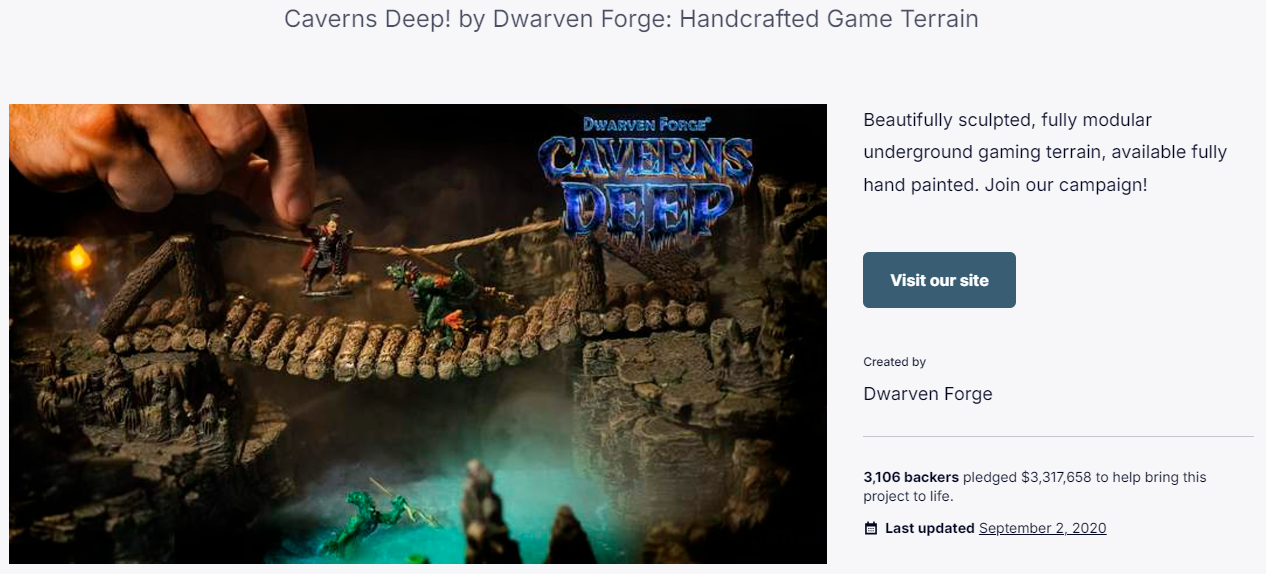
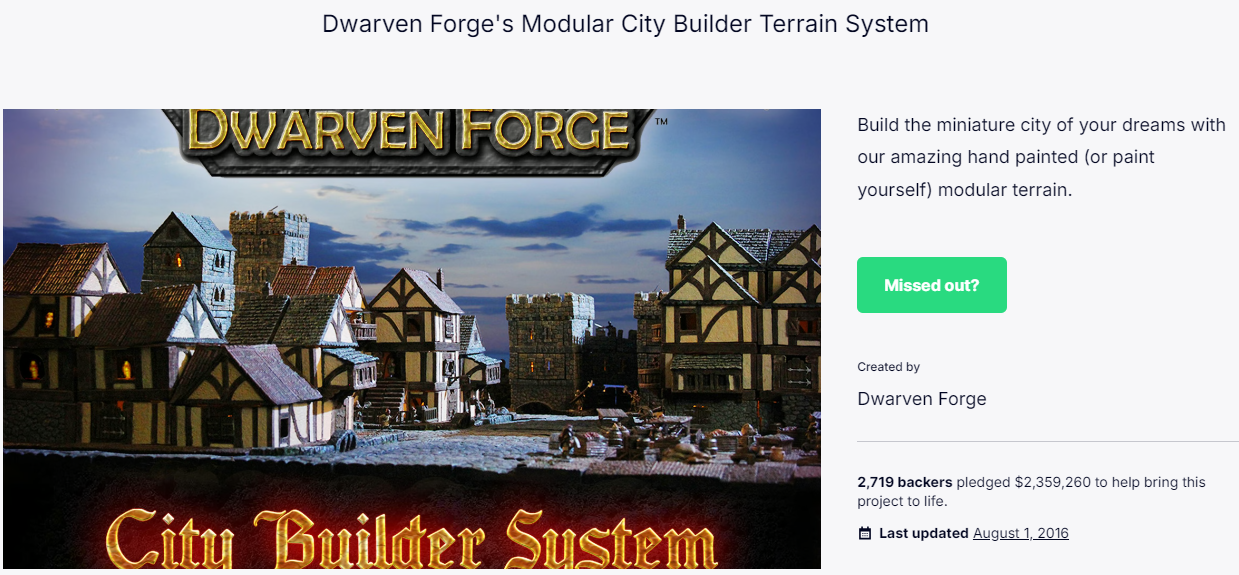

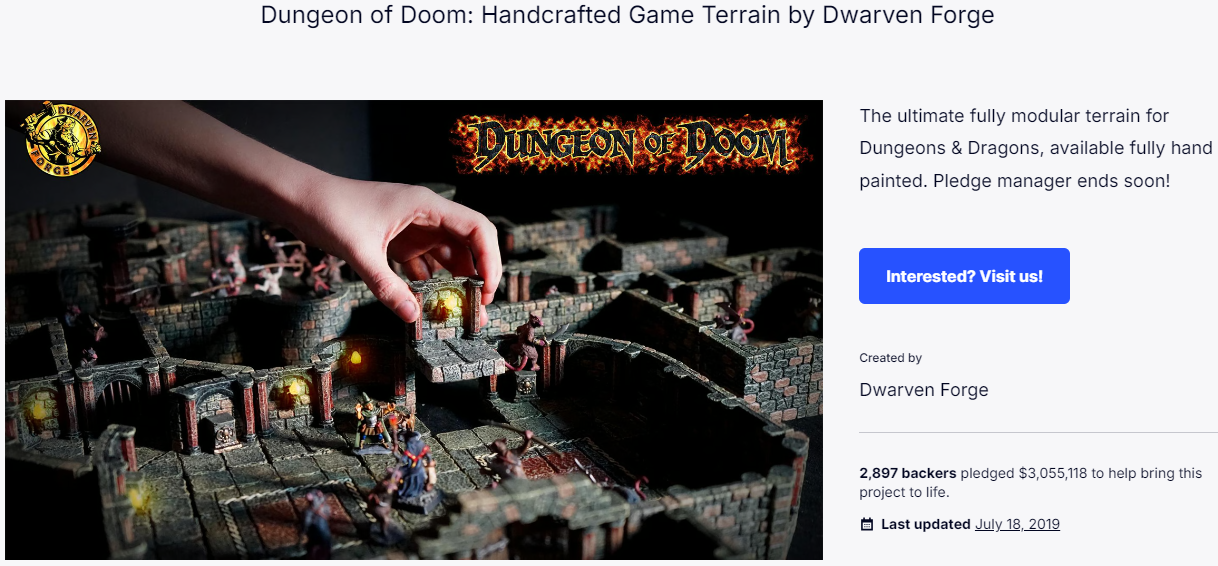 Founder: Stefan Pokorny
Product: Modular Terrain Games
Funds Raised: Over $23.5 million across ten campaigns
As a child, Stefan Pokorny was deeply fascinated by fantasy games like Dungeons & Dragons. This passion led him to establish Dwarven Forge in 1996, creating miniature hand-painted dungeon terrain. However, it was only through Kickstarter that his business truly transformed from a mere labor of love into a thriving success.
For any gaming company, inventory costs are a significant challenge, and for a company producing large volumes of hand-painted miniatures, it can easily become a logistical nightmare. Kickstarter campaigns—including pre-orders and extensive feedback from backers—have enabled Dwarven Forge to develop more products than ever before.
It’s also a way to sell directly to its loyal fan base, rather than relying solely on its website. With the help of its most recent crowdfunding campaign for a modular city-building system, Dwarven Forge raised over $3.5 million. The company's current challenge is whether it can move beyond crowdfunding and direct-to-consumer sales to reach a larger retail audience for its castles and caverns.
Leveraging crowdfunding could ensure that its creators retain autonomy while delivering a polished, groundbreaking game.
The support system also provides valuable feedback, helping developers refine gameplay and features before launch.
As an action role-playing game deeply rooted in Chinese mythology, Black Myth: Wukong quickly went viral across major social media platforms upon its debut. After its official release on August 20, the game sold over 10 million copies globally within just three days.
To date, Kickstarter’s gaming category has seen over 46,000 successful campaigns, raising more than $2.61 billion. Among these, tabletop games stand out as a dominant segment, offering several notable examples.
1. Kickstarter Games Case Study
Case Study 1: inXile Entertainment
Product: Video Games
Funds Raised: $8.6 million across three campaigns
inXile was founded in 2002 by video game designer and Interplay Productions founder Brian Fargo, specializing in role-playing video games. Over the years, it has become a leader in using Kickstarter to fund the development of these games, including Torment: Tides of Numenera, Wasteland 2, and Bard’s Tale 4.
The cost of making video games is high, and inXile’s first Kickstarter campaign was “a Hail Mary pass,” Fargo recalled. “My crowdfunding goal was $900,000, and people thought I was crazy for asking for that much. But I really had no choice—it would cost at least that much to produce.”
Thanks to crowdfunding, inXile, headquartered in Newport Beach, California, is now a 50-person company with a second office in New Orleans. However, inXile’s campaigns were not just about raising money. Video game backers are very vocal online, providing feedback that allowed inXile to address shortcomings before shipping the games.
“Our games offer 100 hours of content, longer than all the Star Wars movies combined,” Fargo said. “We appreciate their feedback in finding issues, as there’s a lot to uncover.”
Case Study 2: Dwarven Forge
Product: Modular Terrain Games
Funds Raised: Over $23.5 million across ten campaigns
As a child, Stefan Pokorny was deeply fascinated by fantasy games like Dungeons & Dragons. This passion led him to establish Dwarven Forge in 1996, creating miniature hand-painted dungeon terrain. However, it was only through Kickstarter that his business truly transformed from a mere labor of love into a thriving success.
For any gaming company, inventory costs are a significant challenge, and for a company producing large volumes of hand-painted miniatures, it can easily become a logistical nightmare. Kickstarter campaigns—including pre-orders and extensive feedback from backers—have enabled Dwarven Forge to develop more products than ever before.
It’s also a way to sell directly to its loyal fan base, rather than relying solely on its website. With the help of its most recent crowdfunding campaign for a modular city-building system, Dwarven Forge raised over $3.5 million. The company's current challenge is whether it can move beyond crowdfunding and direct-to-consumer sales to reach a larger retail audience for its castles and caverns.
2. How Does Crowdfunding Help
Crowdfunding platforms like Kickstarter and Indiegogo have revolutionized the way creative projects are funded. Here’s how crowdfunding helps:Providing Financial Freedom for Creators
Traditional funding methods often involve compromises. Crowdfunding allows developers to maintain creative control while securing the funds necessary to realize their vision.Leveraging crowdfunding could ensure that its creators retain autonomy while delivering a polished, groundbreaking game.
Building a Community of Fans and Backers
Crowdfunding creates a built-in community of supporters invested in a game's success. These early adopters become evangelists, spreading the word and generating organic interest.The support system also provides valuable feedback, helping developers refine gameplay and features before launch.
 Want to know about our services, fees or receive a custom quote?