




Table of Contents
Table of Contents
As globalization continues to reshape commerce, businesses have expanded beyond local supply chains, sourcing goods and materials worldwide. At the heart of this transformation lies international logistics. But what exactly is it, and why is it essential for modern trade?
Our blog article unpacks the intricacies of international logistics, from its role in global trade to its foundational elements. From handling regulatory hurdles to leveraging technology, we’ll explore how businesses can efficiently move goods across borders and streamline their global supply chain strategies.
Think of international logistics as the bridge that connects businesses with customers in different countries. Whether it’s raw materials, consumer goods, or high-tech machinery, international logistics ensures that products get from point A (the manufacturer) to point B (the consumer or business) across international borders.
International logistics is not just about moving goods from one country to another. It’s a multifaceted process that involves various stages and key elements:
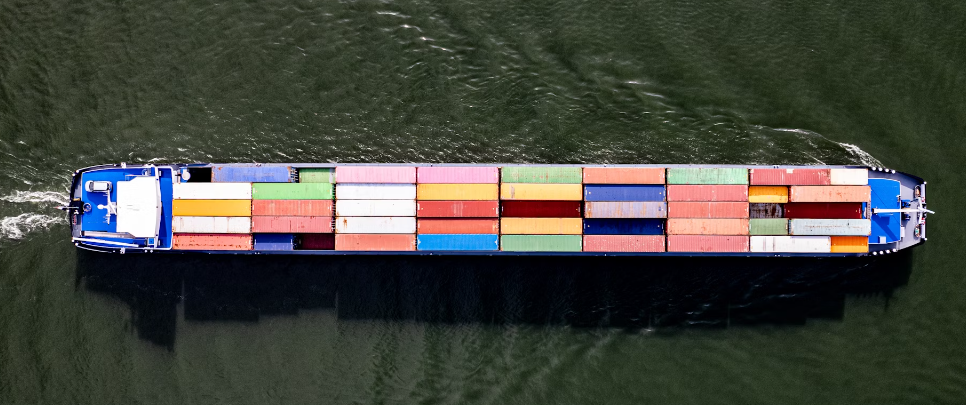
- Sea Freight: Cost-effective for large, bulky items but slower.
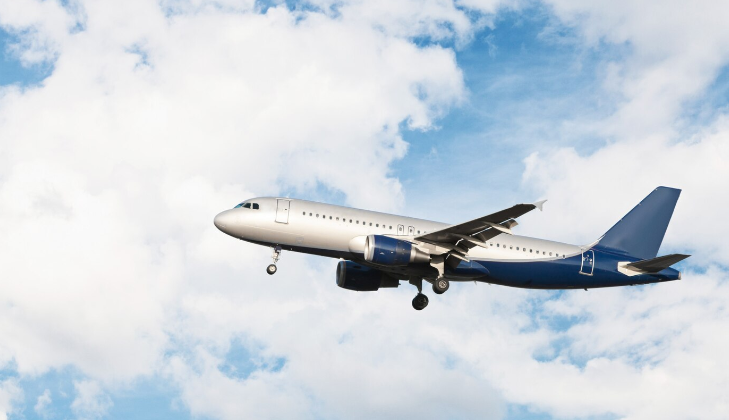
- Air Freight: Faster and ideal for high-value or perishable goods but more expensive.
- Rail Freight: A good balance between cost and speed, often used for cross-country shipments.
- Truck Freight: Common for regional transportation and final delivery.
When goods cross a border, customs authorities in both the origin and destination countries must inspect and verify the shipment including verifying the origin, contents, and value of the goods, as well as ensuring compliance with safety, health, and environmental standards.
- Bill of Lading: A contract between the shipper and the carrier, detailing the type of goods, quantity, and destination.
- Commercial Invoice: Used for customs purposes, it outlines the details of the transaction.
- Packing List: Specifies the contents of each package in a shipment.
- Certificate of Origin: Used to verify where the goods were produced.
In the past, international logistics was a slow and cumbersome process. Today, technology has revolutionized the industry, making global trade faster, more transparent, and more cost-effective.
- Delays and Congestion: Global supply chains are prone to disruptions—weather events, political unrest, and pandemics (like COVID-19) can cause delays in shipping.
- High Costs: Transportation, customs duties, and warehousing can be expensive. Businesses need to carefully manage these costs to remain competitive.
- Regulatory Compliance: Every country has different regulations. Navigating the maze of import/export restrictions, tariffs, and safety standards can be time-consuming and complex.
- Security: The risk of theft, damage, or fraud is higher when goods are being shipped across international borders. Security measures like insurance, tracking systems, and proper documentation are essential.

The significance of international logistics cannot be overstated. In today’s globalized economy, businesses depend on the seamless movement of goods across borders to meet consumer demand, reduce costs, and stay competitive.
Here are some key reasons why international logistics is so crucial:
- Global Market Access: It enables businesses to access global markets, offering a wider pool of customers and suppliers.
- Cost Efficiency: By optimizing shipping routes, leveraging bulk shipping, and streamlining operations, businesses can reduce their overall logistics costs.
- Customer Satisfaction: Fast, reliable delivery is key to customer satisfaction. International logistics ensures that products reach consumers on time and in good condition.
Our blog article unpacks the intricacies of international logistics, from its role in global trade to its foundational elements. From handling regulatory hurdles to leveraging technology, we’ll explore how businesses can efficiently move goods across borders and streamline their global supply chain strategies.
1. What Is International Logistics
At its core, international logistics refers to the process of planning, implementing, and controlling the flow of goods, services, and information between countries. It involves a series of coordinated steps to ensure that products are transported efficiently, cost-effectively, and in compliance with international trade regulations.Think of international logistics as the bridge that connects businesses with customers in different countries. Whether it’s raw materials, consumer goods, or high-tech machinery, international logistics ensures that products get from point A (the manufacturer) to point B (the consumer or business) across international borders.
2. The Key Elements of International Logistics
Transportation
It is perhaps the most visible and crucial aspect of international logistics. Products can be shipped by air, sea, land, or rail, depending on factors like cost, time, and the nature of the goods. The most common transportation modes include:- Sea Freight: Cost-effective for large, bulky items but slower.
- Air Freight: Faster and ideal for high-value or perishable goods but more expensive.
- Rail Freight: A good balance between cost and speed, often used for cross-country shipments.
- Truck Freight: Common for regional transportation and final delivery.
Customs and Border Control
Moving goods across borders isn’t as simple as putting them on a truck or ship. Customs regulations play a major role in international logistics. Each country has its own customs rules, tariffs, and import/export restrictions. Efficiently navigating these regulations is essential for avoiding delays, penalties, or even confiscation of goods.When goods cross a border, customs authorities in both the origin and destination countries must inspect and verify the shipment including verifying the origin, contents, and value of the goods, as well as ensuring compliance with safety, health, and environmental standards.
Warehousing and Distribution
Once the goods arrive at their destination, they need to be stored and distributed. Warehousing involves storing products in a safe and organized manner until they are ready for delivery. Distribution, on the other hand, is about getting those goods from the warehouse to the customer involving local trucking, further customs clearance, and last-mile delivery to retailers or end customers.Supply Chain Management
Effective international logistics is all about coordination. Supply chain management (SCM) involves overseeing the entire flow of goods from raw materials to final delivery. SCM is crucial for ensuring that goods are delivered on time, within budget, and in the right condition. Technologies like Enterprise Resource Planning (ERP) systems, Global Positioning Systems (GPS), and real-time tracking help businesses manage their supply chains more effectively.Documentation and Compliance
International logistics also involves a significant amount of paperwork. Key documents include:- Bill of Lading: A contract between the shipper and the carrier, detailing the type of goods, quantity, and destination.
- Commercial Invoice: Used for customs purposes, it outlines the details of the transaction.
- Packing List: Specifies the contents of each package in a shipment.
- Certificate of Origin: Used to verify where the goods were produced.
3. What Role Does International Logistics in Global E-commerce
Real-Time Tracking
With the help of GPS and other tracking systems, businesses and consumers can track shipments in real time. The visibility allows for more efficient planning and reduces the uncertainty associated with international shipping. Tracking also helps in proactive problem-solving—if a shipment is delayed or lost, companies can quickly address the issue.Automation and AI
From warehousing robots to automated customs processes, AI and automation are becoming increasingly important in logistics. These technologies can help streamline operations, reduce human error, and speed up the delivery process.Blockchain Technology
Blockchain has the potential to revolutionize international logistics by providing an immutable and transparent record of each step in the supply chain. Blockchain can enhance security, reduce fraud, and improve compliance with international regulations.4. What Are the Challenges of International Logistics
While international logistics is essential for global trade, it doesn’t come without its challenges. Some of the most common hurdles businesses face include:- Delays and Congestion: Global supply chains are prone to disruptions—weather events, political unrest, and pandemics (like COVID-19) can cause delays in shipping.
- High Costs: Transportation, customs duties, and warehousing can be expensive. Businesses need to carefully manage these costs to remain competitive.
- Regulatory Compliance: Every country has different regulations. Navigating the maze of import/export restrictions, tariffs, and safety standards can be time-consuming and complex.
- Security: The risk of theft, damage, or fraud is higher when goods are being shipped across international borders. Security measures like insurance, tracking systems, and proper documentation are essential.
5. Why You Need International Logistics For Your Cross-border Business
Here are some key reasons why international logistics is so crucial:
- Global Market Access: It enables businesses to access global markets, offering a wider pool of customers and suppliers.
- Cost Efficiency: By optimizing shipping routes, leveraging bulk shipping, and streamlining operations, businesses can reduce their overall logistics costs.
- Customer Satisfaction: Fast, reliable delivery is key to customer satisfaction. International logistics ensures that products reach consumers on time and in good condition.
 Want to know about our services, fees or receive a custom quote?