




Table of Contents
Table of Contents
Every business knows the importance of fulfilling promises to customers, and timely delivery is one of the most vital. It ensures smooth operations, builds trust, and sets you apart from competitors.
This blog unpacks the concept of timely delivery, its key drivers, and practical ways to overcome challenges in today’s complex supply chains.


Several key factors impact timely delivery in logistics. These factors influence the efficiency and reliability of transportation and supply chain operations, and addressing them effectively is essential for ensuring consistent on-time delivery.

The performance and dependability of logistics partners, such as freight forwarders and courier services, directly influence delivery times. Choosing partners with a strong track record of punctuality is crucial.

Ensuring timely delivery in logistics requires a combination of strategic planning, technological integration, and operational excellence. Below are some key strategies that companies can implement to enhance their delivery performance:
- Leverage real-time GPS tracking to monitor shipments and adjust routes proactively in response to unforeseen issues.
- Regularly evaluate and monitor the performance of logistics partners and renegotiate contracts based on their reliability.
- Use just-in-time (JIT) inventory systems to balance stock levels without delaying shipments.
- Plan resources, including labor and transportation capacity, to handle increased volumes.
- Pre-clear shipments where possible and prepare all necessary documentation in advance.
- Set up centralized control towers to monitor shipments and address disruptions swiftly.
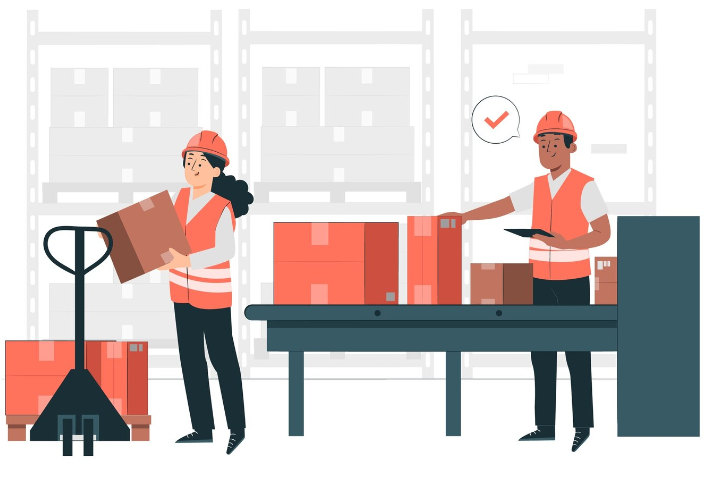
Maintaining timely delivery in logistics involves navigating a variety of challenges that can disrupt operations and impact overall performance. These challenges often stem from external factors, internal inefficiencies, or a combination of both. Here are the primary obstacles:
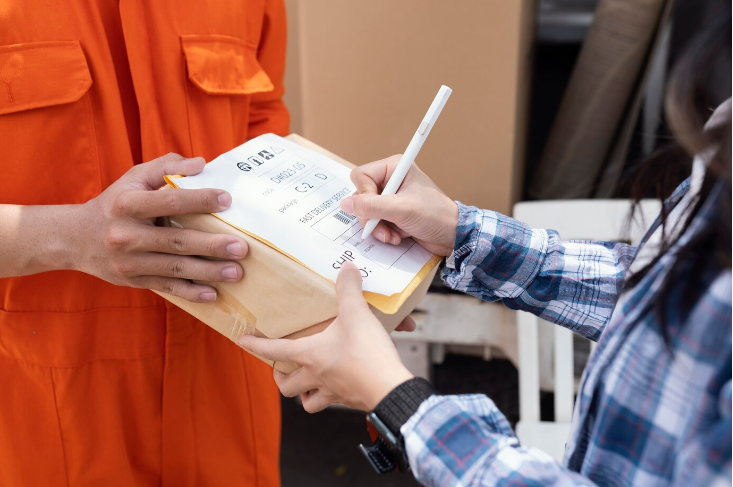
Timely delivery plays a crucial role in shaping customer satisfaction in logistics and supply chain management. When businesses consistently meet delivery expectations, they build trust, enhance the customer experience, and strengthen long-term relationships. Here’s a detailed exploration of how timely delivery impacts customer satisfaction:
This blog unpacks the concept of timely delivery, its key drivers, and practical ways to overcome challenges in today’s complex supply chains.
1. What Is Timely Delivery
Timely delivery in logistics refers to ensuring that goods or products reach their intended destination within the agreed-upon timeframe. It is a critical element of supply chain operations, as it directly impacts customer satisfaction and operational efficiency. For businesses, delivering on time signifies reliability and commitment, fostering trust and long-term customer relationships.2. The Importance of Timely Delivery in International Shipping
The importance of timely delivery extends beyond customer satisfaction. It plays a crucial role in maintaining the company’s reputation and competitive edge. Delayed deliveries can lead to penalties, customer dissatisfaction, or loss of future business. On the other hand, consistent on-time performance strengthens a company’s image and enhances customer loyalty. Additionally, timely delivery ensures the smooth flow of goods within the supply chain, preventing bottlenecks and minimizing supply chain disruptions in production or sales processes.3. Key Factors That Impacts Timely Delivery
Transportation Mode and Infrastructure
The choice of transportation mode—whether air, sea, rail, or road—plays a critical role in delivery times. Air transport offers the fastest option but can be expensive, while sea freight is slower but more cost-effective for bulk shipments. The availability and condition of infrastructure, such as roads, ports, and airports, also significantly affect transit times.Route Planning and Optimization
Efficient route planning minimizes delays caused by traffic, construction, or other disruptions. Advanced logistics systems and GPS technology enable real-time route optimization, helping to avoid unexpected bottlenecks.Customs and Regulatory Compliance
For international shipments, customs clearance and compliance with trade regulations are critical. Delays often occur due to incomplete documentation, misclassified goods, or regulatory changes, especially in cross-border logistics.Inventory Management
Poor inventory management can lead to delays in picking, packing, and dispatching goods. Maintaining adequate inventory levels and efficient warehouse operations ensures that goods are ready for shipment on time.Weather Conditions
Unpredictable weather events, such as storms, floods, or extreme temperatures, can disrupt transportation schedules. Seasonal variations also impact delivery, particularly in regions prone to harsh weather during certain times of the year.Carrier Reliability
Demand Fluctuations and Peak Seasons
High demand during peak seasons, such as holidays or sales events, can strain logistics networks. Proper forecasting and capacity planning are essential to manage these fluctuations.Communication and Coordination
Effective communication between all stakeholders, including suppliers, transporters, and customers, is essential for avoiding misunderstandings and delays. Misaligned expectations or lack of updates can result in disruptions.Unexpected Disruptions
Unforeseen events, such as strikes, accidents, or geopolitical issues, can significantly impact delivery schedules. Having contingency plans in place helps mitigate these risks.4. Strategies to Ensure Timely Delivery
Effective Route Optimization
- Use advanced route optimization software to plan efficient delivery paths, minimizing delays caused by traffic congestion, road closures, or detours.- Leverage real-time GPS tracking to monitor shipments and adjust routes proactively in response to unforeseen issues.
Reliable Transportation Partners
- Partner with trustworthy carriers and freight forwarders known for consistent on-time performance.- Regularly evaluate and monitor the performance of logistics partners and renegotiate contracts based on their reliability.
Efficient Inventory Management
- Maintain accurate inventory records to ensure goods are available for dispatch as needed.- Use just-in-time (JIT) inventory systems to balance stock levels without delaying shipments.
Accurate Forecasting and Demand Planning
- Analyze historical data and market trends to predict demand spikes, particularly during peak seasons.- Plan resources, including labor and transportation capacity, to handle increased volumes.
Streamlined Customs and Regulatory Processes
- Stay updated on international trade regulations and ensure compliance with customs requirements to avoid delays in cross-border shipments.- Pre-clear shipments where possible and prepare all necessary documentation in advance.
Real-Time Monitoring and Communication
- Provide customers with real-time tracking updates and proactive communication about potential delays.- Set up centralized control towers to monitor shipments and address disruptions swiftly.
5. What Are the Challenges in Maintaining Timely Delivery
Unpredictable Weather Conditions
Extreme weather events, such as storms, floods, or heavy snowfall, can delay transportation by grounding flights, closing roads, or slowing down port operations. Seasonal fluctuations further complicate logistics planning in regions prone to harsh climates.Traffic Congestion and Infrastructure Limitations
Inadequate infrastructure or road congestion in urban areas can cause significant delays. Poorly maintained roads, outdated port facilities, and limited transportation networks exacerbate the issue, especially in developing regions.Supply Chain Disruptions
Unexpected events such as strikes, natural disasters, or geopolitical tensions can halt operations and delay deliveries. For instance, port closures or customs strikes can disrupt cross-border shipments.Inefficient Inventory Management
Stock shortages or delays in replenishment due to poor inventory planning can lead to missed dispatch schedules. Warehouses with outdated processes or technology may also struggle to meet delivery timelines.Regulatory and Customs Delays
Cross-border shipments are often delayed by customs clearance processes, especially if there are discrepancies in documentation or a lack of compliance with trade regulations. Regulatory changes can also introduce unexpected delays.Rising Costs and Capacity Constraints
Fluctuations in fuel prices, labor shortages, or limited availability of transportation assets (such as trucks, ships, or planes) can lead to delays. Peak seasons often amplify these challenges, as capacity becomes stretched.Demand Fluctuations and Seasonal Peaks
Sudden increases in demand, such as during holiday seasons or promotional sales, can overwhelm logistics systems, leading to delayed shipments. Insufficient forecasting further complicates this issue.Last-Mile Delivery Complexities
Challenges in the last-mile delivery segment, such as incorrect addresses, narrow delivery time windows, or failed delivery attempts, can delay the final leg of the shipment.Lack of Contingency Planning
Inadequate preparation for disruptions or reliance on single-source suppliers/carriers increases vulnerability to delays. Without backup plans, companies struggle to recover from unexpected setbacks.Workforce Shortages
The logistics industry often faces labor shortages, especially for skilled roles like truck drivers or warehouse personnel. It can lead to delays in handling, transportation, and overall delivery timelines.6. How Timely Delivery Impacts Customer Satisfaction
 Want to know about our services, fees or receive a custom quote?