




Table of Contents
Table of Contents
Lean logistics is changing how companies approach supply chain management, shifting the focus to waste elimination and value creation at every stage. For ecommerce businesses, adopting lean practices can significantly improve delivery times and customer satisfaction while reducing costs.
This guide covers lean logistics essentials, benefits, and actionable tips to help you make the switch.

1. Lean Logistics Definition
Lean logistics is a supply chain management approach that emphasizes waste reduction, efficiency, and cost savings by aligning logistics processes closely with customer demand. The methodology, rooted in Lean manufacturing principles, aims to streamline operations, reduce lead times, and improve customer satisfaction by eliminating unnecessary steps and resources from the supply chain. In lean logistics, each stage is meticulously designed to add value without creating redundant or excessive processes, ensuring the highest level of operational efficiency.
By applying Lean principles to logistics, businesses minimize costs, optimize resource usage, and increase adaptability within their logistics and distribution systems. Unlike traditional logistics that may focus primarily on delivery schedules, lean logistics is deeply customer-centric, prioritizing value over volume and flexibility over fixed systems.
2. How Lean Logistics Benefits Your Ecommerce Business
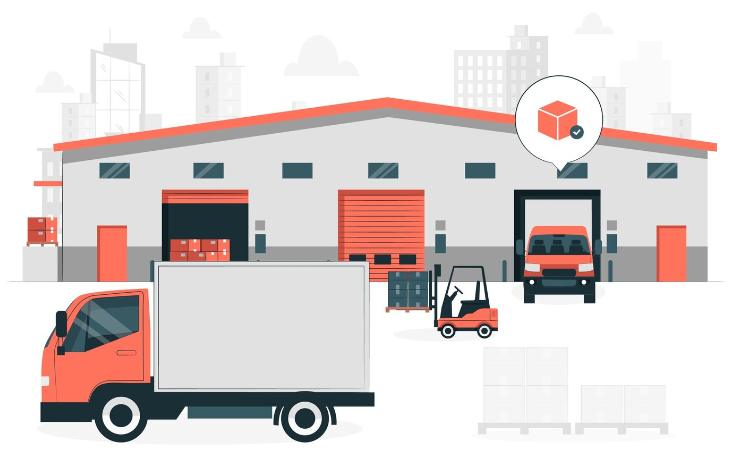
As ecommerce continues to grow, so does the demand for quick, cost-effective delivery options. Lean logistics offers numerous benefits tailored to ecommerce needs, making it an invaluable approach for businesses looking to thrive in a competitive digital marketplace.
Reduced Operational Costs
Lean logistics aims to reduce waste in various forms, from excess inventory to redundant transportation routes, ultimately lowering the overall cost of operations. The savings can be passed on to customers, making your ecommerce offerings more attractive.
Faster Delivery Times
By optimizing processes and minimizing inefficiencies, lean logistics often leads to faster order processing and shorter lead times. Speed is particularly crucial for ecommerce businesses, where delivery time can be a deciding factor for customers.
Enhanced Customer Satisfaction
With reduced delays and streamlined processes, customers receive their products on time, increasing satisfaction and loyalty. Lean logistics allows ecommerce businesses to meet and exceed customer expectations consistently.
Greater Flexibility and Responsiveness
Lean logistics equips businesses with the agility to adapt to changing market demands. When fluctuations in customer orders occur, lean logistics enables businesses to adjust quickly without significant disruptions.
Improved Inventory Management
Ecommerce companies often face inventory challenges, with the risk of either overstocking or running out of stock. Lean logistics helps maintain optimal inventory levels, reduce carrying costs, and minimize stockouts.
Sustainability and Environmental Impact
By reducing waste and optimizing transport routes, lean logistics contributes to a smaller environmental footprint, appealing to eco-conscious consumers. Sustainable practices can enhance brand image, aligning your business with modern, environmentally responsible values.
3. Lean Logistics Principles

Lean logistics operates on core principles derived from Lean manufacturing, specifically designed to improve efficiency and reduce waste. Understanding these foundational principles is essential for implementing lean logistics successfully.
Flow Optimization
Maintaining a smooth flow of goods and information is essential in lean logistics. By focusing on process consistency and reducing interruptions, flow optimization ensures that goods move seamlessly through each stage of the logistics process.
Value Creation
Everything within the logistics process must contribute to delivering value to the end customer. Any activity that doesn’t add value is considered waste and should be minimized or eliminated.
Value Stream Mapping
It involves mapping out each step of the logistics process to identify and eliminate non-value-adding activities. Value stream mapping helps identify bottlenecks, redundancies, and delays, which can then be addressed to improve overall process flow.
Eliminate Waste
Lean Logistics focuses on creating a streamlined, efficient product flow by reducing waste in every aspect of the logistics process. By minimizing lead times, inventory, and unnecessary movements, and optimizing each stage from storage to distribution, companies can cut costs and improve response times. Thecommitment to continuous improvement and value-added activities ultimately enhances customer satisfaction and positions companies to meet demand effectively in a competitive market.
Continuous Improvement
Continuous Improvement in Lean Logistics drives a proactive approach to efficiency, emphasizing regular process evaluations and swift problem-solving. By leveraging techniques like Just-in-Time and data visualization, logistics teams can sustain a streamlined product flow, reduce waste, and respond quickly to market demands. The ongoing commitment to optimization not only cuts costs but also enhances customer satisfaction, supporting a resilient and responsive supply chain.
4. Strategies to Implement Lean Logistics
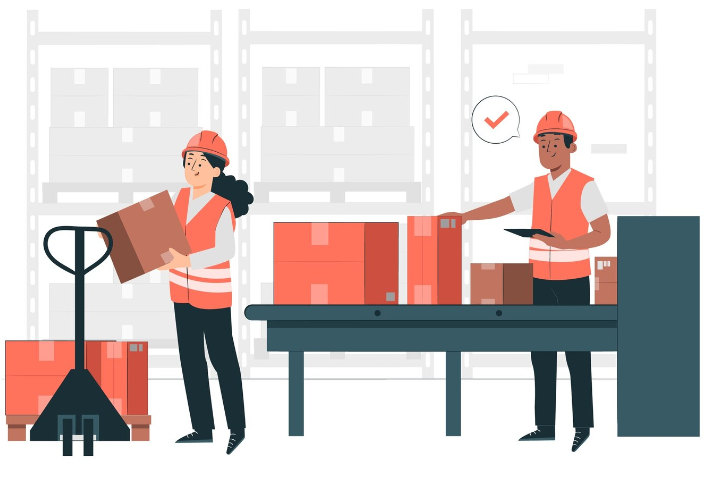
Implementing lean logistics requires a strategic approach and commitment to change. Here are several effective strategies to integrate lean logistics principles into your business.
Use Just-in-Time (JIT) Inventory Management
Adopt JIT inventory practices to reduce inventory costs and improve stock turnover rates. By stocking only what is necessary for immediate demand, you avoid overstocking and the associated costs.
Optimize Warehouse Layout
Design an efficient warehouse layout to streamline picking and packing processes. Reducing the distance and time spent on locating items improves productivity and minimizes unnecessary movement.
Leverage Automation in Logistics
Collaborate closely with suppliers to ensure a reliable and efficient supply chain. Strong supplier relationships enable better communication, reducing lead times and facilitating quicker responses to demand changes.
Implement Advanced Forecasting Tools
Employ predictive analytics and forecasting tools to better understand demand patterns and optimize stock levels. Accurate forecasts help prevent both overstocking and stockouts, reducing waste in the supply chain.
Develop Supplier Relationships
Collaborate closely with suppliers to ensure a reliable and efficient supply chain. Strong supplier relationships enable better communication, reducing lead times and facilitating quicker responses to demand changes.
5. How to Measure the Success of Lean Logistics

To gauge the effectiveness of lean logistics, it’s crucial to establish metrics that reflect the core objectives of lean principles. Here are some common metrics to assess the success of lean logistics implementation:
Order Fulfillment Rate
This measures the percentage of orders fulfilled accurately and on time. A high order fulfillment rate indicates a streamlined process with minimal errors or delays.Inventory Turnover Ratio
The inventory turnover ratio reflects how often stock is sold and replaced over a specific period. Higher turnover suggests efficient inventory management, reducing holding costs and improving cash flow.Lead Time Reduction
Track the time from order receipt to delivery completion. Reduced lead time signifies an efficient supply chain, enhancing customer satisfaction and loyalty.Waste Reduction Percentage
Calculate waste reduction by monitoring areas like transportation, inventory, and production waste. Lean logistics aims to minimize waste, so a declining waste percentage shows successful implementation.Customer Satisfaction Scores
Collect customer feedback on delivery speed, accuracy, and overall experience. Positive customer satisfaction scores are indicators of a well-optimized logistics system.Cost Savings
Track cost savings resulting from reduced waste, inventory levels, and transport expenses. Improved cost efficiency is a direct benefit of lean logistics and impacts the bottom line positively.6. Common Lean Logistics Techniques and Tools

 Want to know about our services, fees or receive a custom quote?